
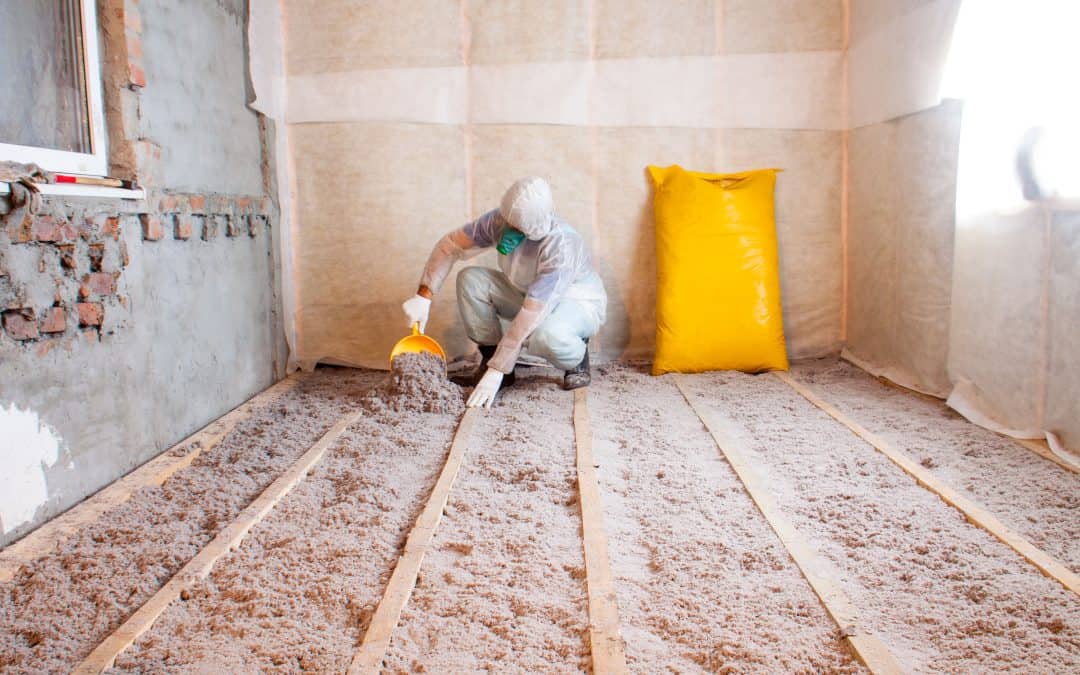
Home insulation plays an important role in maintaining comfortable indoor temperatures and managing household energy use throughout the year. Many homeowners consider insulation upgrades when certain rooms feel warmer or colder than others, utility bills increase, or existing insulation becomes less effective. Blown-in insulation is one option that can be installed in attics, walls, and other areas where consistent coverage is needed. Its loose-fill design allows the material to settle around framing, wiring, and other obstacles. This flexibility can make it useful for homes with irregularly shaped spaces. Homeowners may also consider insulation improvements when renovating or preparing an older property for better efficiency. Choosing the appropriate material depends on the home’s construction, existing insulation, and specific performance goals. Understanding the potential advantages can help homeowners make more informed decisions about an insulation project.
1. Improved Temperature Consistency
One reason homeowners choose blown-in insulation is the potential to create more consistent indoor temperatures. Rooms located directly beneath an attic or near exterior walls can experience noticeable temperature differences when insulation is insufficient. Adding insulation can help reduce heat transfer between the conditioned space and the outdoors. This may make bedrooms, living areas, and upper floors feel more comfortable during temperature extremes. Proper installation can also help address areas where existing insulation has settled or become uneven. According to Forbes, blown-in insulation generally costs between $1.65 and $3.80 per square foot. The final project cost can vary depending on the home, material, installation requirements, and coverage area. A professional evaluation can help determine where additional insulation may provide the most useful improvement.
2. Better Coverage Around Obstacles
Another advantage comes from the ability of loose-fill insulation to work around obstacles inside walls and attics. Homes contain electrical wiring, framing members, pipes, vents, and other components that can make uniform insulation coverage challenging. Fibrous loose-fill materials can move around many of these obstacles rather than requiring large sections to be cut manually. This can help reduce gaps that may otherwise allow unwanted heat transfer. Consistent coverage is particularly important in areas where small openings can affect overall insulation performance. Installers can identify areas that need additional material based on the home’s existing conditions. Proper placement can help create a more continuous thermal barrier throughout the targeted space. Homeowners can therefore address hard-to-reach areas without relying entirely on rigid insulation pieces.
3. Easier Attic Upgrades
Attics are among the most common areas considered when homeowners want to improve insulation. Heat can move through the ceiling when an attic has insufficient insulation or when the existing material has deteriorated. Adding loose-fill material can provide an efficient way to increase coverage across broad attic surfaces. The material can be distributed over existing insulation when conditions allow and when the installation is properly planned. This approach may be especially useful when an attic contains areas that are difficult to access with conventional insulation products. Before installation, professionals can evaluate ventilation, moisture concerns, and existing insulation conditions. Addressing these factors helps ensure that an insulation upgrade does not create problems elsewhere in the attic. A properly planned attic improvement can contribute to a more comfortable home environment.
4. Reduced Air Movement
Unwanted air movement can affect comfort and make heating and cooling systems work harder. Insulation can help slow heat transfer, although it should be combined with appropriate air sealing where gaps and penetrations are present. Blown-in insulation can fill many small spaces within an insulation cavity and provide more complete coverage than a poorly fitted batt. This characteristic can be useful in older homes where existing insulation may not fit evenly around framing. Reducing pathways for heat movement can help rooms maintain more stable temperatures. However, insulation should not be viewed as a substitute for repairing significant air leaks or moisture problems. A professional assessment can identify whether sealing, ventilation improvements, or insulation work should be completed together. Taking a comprehensive approach can improve the overall performance of the building envelope.
5. Adaptability for Existing Homes
Older homes often have construction details that make insulation upgrades more complicated. Walls may contain unusual framing layouts, narrow cavities, previous repairs, or other obstacles that are not common in newer construction. Loose-fill insulation can be useful in some existing structures because it can be installed within selected cavities without requiring extensive removal of wall materials. The installation method depends on the construction and condition of the wall. Professionals may use specialized equipment and techniques to distribute the material throughout the intended area. This can allow homeowners to improve insulation without undertaking a major remodeling project. The suitability of the approach should be determined through an inspection of the home’s structure and existing materials. When properly planned, an insulation upgrade can complement other improvements being made to an older property.
6. Support for Energy Efficiency
Homeowners often look for ways to reduce unnecessary heating and cooling demands. Insulation can support energy efficiency by slowing the movement of heat through ceilings, walls, and other parts of the building envelope. When indoor temperatures remain more stable, heating and cooling equipment may not need to respond as frequently to temperature changes. The effectiveness of an insulation upgrade depends on factors such as installation quality, existing insulation, air leakage, windows, and HVAC performance. Blown-in insulation can contribute to this goal when it is installed to the appropriate depth and density for the application. Professionals can evaluate existing conditions and identify areas where insulation levels may be inadequate. Combining insulation improvements with other efficiency measures can provide a more comprehensive approach to home performance. Homeowners should consider the entire building envelope rather than focusing on a single component.
7. Noise Reduction Potential
Insulation can also influence how sound travels through certain parts of a home. Material placed within wall and ceiling cavities may help absorb some airborne sound moving between rooms or from outside areas. This can be particularly appealing in bedrooms, home offices, media rooms, and shared living spaces. The amount of sound reduction depends on the construction of the walls, doors, windows, and other components. Insulation alone does not create a completely soundproof room, but it can be one part of a broader acoustic improvement strategy. Loose-fill material can occupy cavity spaces that might otherwise provide pathways for sound transmission. Homeowners interested in this benefit should discuss their specific noise concerns with an insulation professional. Evaluating the entire room assembly can help identify the most appropriate improvements.
8. Long-Term Home Comfort
Homeowners may also choose insulation improvements because they want more dependable comfort throughout the changing seasons. A well-insulated home can better resist outdoor temperature changes and help maintain the conditions created by the HVAC system. This can be especially important in homes where certain rooms consistently feel uncomfortable compared with the rest of the property. Blown in insulation can be incorporated into improvement projects involving attics, walls, and other areas where additional coverage is appropriate. Professional installation can help ensure that the material is distributed correctly and that important building components remain accessible. Regular evaluations can also identify changes such as settling, moisture intrusion, or damage that may affect insulation performance. Addressing these concerns early can help homeowners maintain the effectiveness of their insulation system. A thoughtful insulation upgrade can therefore contribute to a more comfortable and functional home for years to come.
Radiant Eagle can help homeowners evaluate their insulation needs and identify practical options for improving comfort and coverage. Contact us to discuss your home, insulation concerns, and the areas that may benefit from professional attention.