
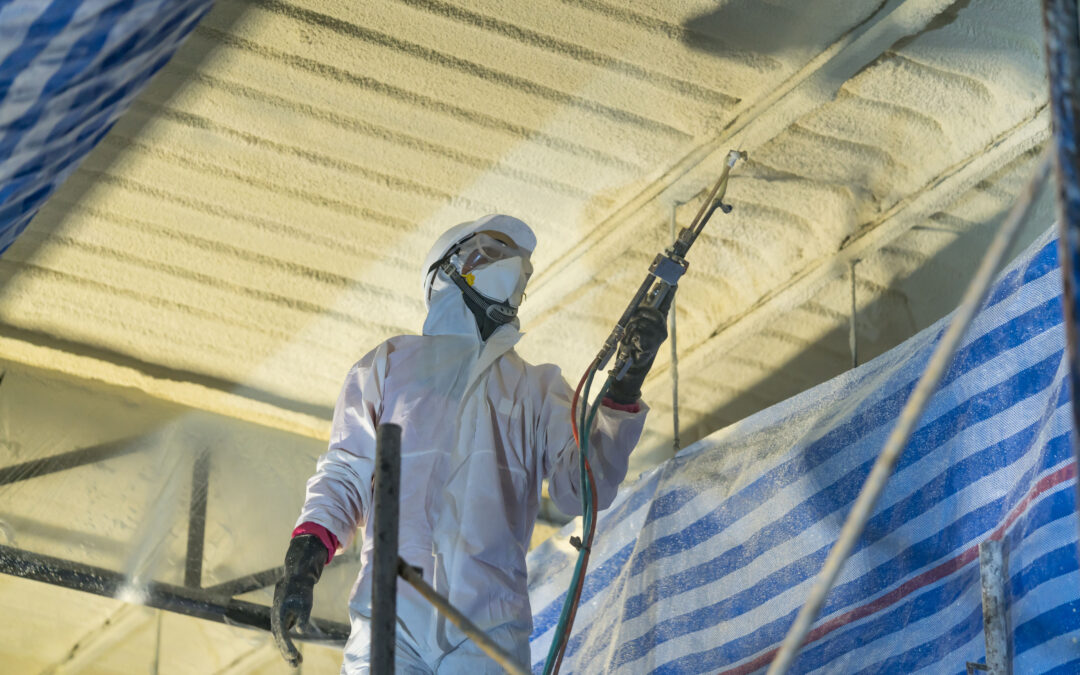
In today’s energy-conscious world, maintaining a comfortable indoor climate while conserving energy is a priority for many homeowners. This article will guide you through effective strategies for keeping your cool air inside your home, focusing on the importance of proper insulation and the role of a spray foam insulation contractor. Proper insulation not only ensures comfort but also contributes to significant energy savings, reducing the carbon footprint. Engaging professional contractors can further enhance the efficiency and effectiveness of insulation solutions.
Why is Insulation Important for Keeping Cool Air Inside?
Understanding Heat Transfer
Heat transfer is a fundamental concept that directly impacts home insulation and energy efficiency. It involves the movement of heat from warmer areas to cooler ones, driven by temperature differences. In the context of a house, this means warm outdoor air flowing into cooler indoor spaces during summer. Effective insulation minimizes this heat flow, maintaining indoor temperatures and reducing the need for air conditioning.
Without proper insulation, heat transfer can lead to excessive energy use and increased utility bills. According to SprayFoam, as much as 40% of a building’s energy is lost due to air infiltration, highlighting the need for effective insulation strategies. Homeowners must understand how heat transfer affects indoor climates to make informed insulation decisions. Insulation acts as a barrier against unwanted heat flow, maintaining desired indoor temperatures and enhancing energy efficiency.
By implementing effective insulation, homeowners can take control over their indoor climate. Understanding heat transfer helps in identifying the weak points in a building’s envelope where improvements are needed. It also informs decisions regarding the choice of insulation materials and methods. Ultimately, by reducing heat transfer, homes can achieve better temperature regulation, increased comfort, and lower energy costs.
Evaluating Your Current Insulation
Evaluating existing insulation is crucial in determining its effectiveness in maintaining cool air indoors. A comprehensive assessment helps identify areas where insulation may be lacking or deteriorating. Homeowners can conduct simple inspections by looking for signs of wear such as drafty rooms or high energy bills. A professional evaluation by a spray foam insulation contractor can provide a thorough analysis.
Spotting deficient areas is the first step towards enhancing a home’s insulation. Inspecting attic spaces, basements, and exterior walls can reveal insulation gaps. Comparing energy receipts from different seasons may also shed light on insulation performance. Expert inspections ensure that homeowners address all critical areas for optimal insulation efficiency.
Once weak spots are identified, decisions about upgrading or replacing insulation can be made. Improved insulation can drastically cut energy consumption by preventing air leakage and preserving indoor temperatures. Addressing these issues early can save money and energy in the long term. Working with a spray foam insulation contractor ensures that any corrections made are effective and durable.
What is Spray Foam Insulation?
Composition and Types
Spray foam insulation is composed primarily of isocyanate and polyol resin which react to produce foam. Upon application, this foam expands rapidly to fill voids, creating a solid barrier against air, moisture, and sound. There are two main types: open-cell and closed-cell spray foam. Open-cell is softer and more flexible, while closed-cell is denser and offers a higher insulating power per inch.
The choice between open-cell and closed-cell spray foam depends on specific insulation needs. Open-cell foam is more cost-effective and suitable for interior applications like walls and attics. Closed-cell foam’s denser structure provides superior insulation and is often employed in exterior walls or areas needing additional structural reinforcement. Understanding these types allows homeowners to choose appropriate solutions in consultation with a spray foam insulation contractor.
Each type of spray foam has unique properties yielding different benefits in various situations. Closed-cell foam creates a stronger barrier and can even add structural strength, ideal for regions with extreme weather conditions. Open-cell, on the other hand, is more permeable, allowing buildings to breathe while still providing adequate insulation. Selecting the appropriate type ensures optimal energy efficiency and structural performance.
How Spray Foam Works
Spray foam insulation works by expanding upon application to fill and seal cavities. This expansion allows the foam to cover irregular surfaces and fill gaps that traditional insulation materials might miss. The foam’s cellular structure traps air, limiting heat transfer through conduction. This mechanism significantly improves the thermal resistance of walls, ceilings, and other insulated areas.
In addition to providing thermal insulation, spray foam presents a continuous barrier against air and moisture infiltration. By preventing air leaks, it reduces energy loss and improves indoor air quality by blocking airborne irritants. The foam forms a tight seal against outside elements, ensuring indoor comfort. Its moisture resistance further adds to its utility in creating healthy home environments.
Spray foam’s effectiveness hinges on proper application by experienced insulation contractors. Its expansive nature requires precise handling to ensure even distribution and adhesion to surfaces. Professional application maximizes the insulation’s performance, providing long-term savings and comfort. Therefore, homeowners are encouraged to consult a spray foam insulation contractor for installation.
When Should You Hire a Spray Foam Insulation Contractor?
Signs You Need New Insulation
Recognizing the signs of inadequate insulation can prevent energy waste and uncomfortable living conditions. Drafty areas, uneven temperatures, and increased energy bills often indicate insulation issues. Moisture problems, particularly in basements or attics, are also tell-tale signs that insulation might need replacing. Observing these signs suggests the need for a more effective solution like spray foam insulation.
Regular inspections can help homeowners identify insulation problems early. Over time, insulation materials may degrade due to wear or infestation, compromising their effectiveness. Using energy audits can pinpoint where energy losses are greatest and where improvements are most needed. This information is vital for planning upgrades in consultation with a spray foam insulation contractor.
By addressing insulation shortcomings early, homeowners can avoid discomfort and unnecessary expenses. Identifying issues allows for timely renewals of insulation, enhancing energy efficiency and comfort. This proactive approach also guards against potential damages that could develop from prolonged insulation problems. Collaborating with a spray foam insulation contractor can make the diagnosis and correction process straightforward and effective.
Assessing the Complexity of the Job
Evaluating the complexity of an insulation project is crucial to determining whether professional help is necessary. Factors such as the size of the area, the current state of the building envelope, and potential access issues must be considered. Spray foam installation requires specialized tools and knowledge to ensure even and effective application. Difficult installations are best handled by experienced professionals.
Homes with unique architectural features or those undergoing major renovations might present complexities in insulation. These situations benefit from the insight of a skilled contractor to navigate potential challenges. Even in simpler projects, proper handling of installation equipment is essential for optimal results. Partnering with a spray foam insulation contractor offers peace of mind and assurance of quality.
Assessing project complexity involves more than identifying potential difficulties; it also means understanding the specific insulation needs. A contractor’s experience can transform potentially challenging scenarios into smooth, successful installations. Homeowners unfamiliar with spray foam’s properties can rely on contractors for accurate assessments and recommendations. This ensures the project’s success and aligns with energy-saving goals.
Keeping your cool air inside your home is not only about comfort but also about energy efficiency and cost savings. By understanding the importance of insulation, particularly spray foam insulation, and knowing when and how to involve a professional contractor, you can ensure your home remains a cool haven during the hottest months. Addressing air infiltration through effective insulation translates into substantial energy conservation. Embracing professional insights for installation guarantees maximum benefit and enduring results. Reach out to Radiant Eagle LLC today to see how we can help you!