
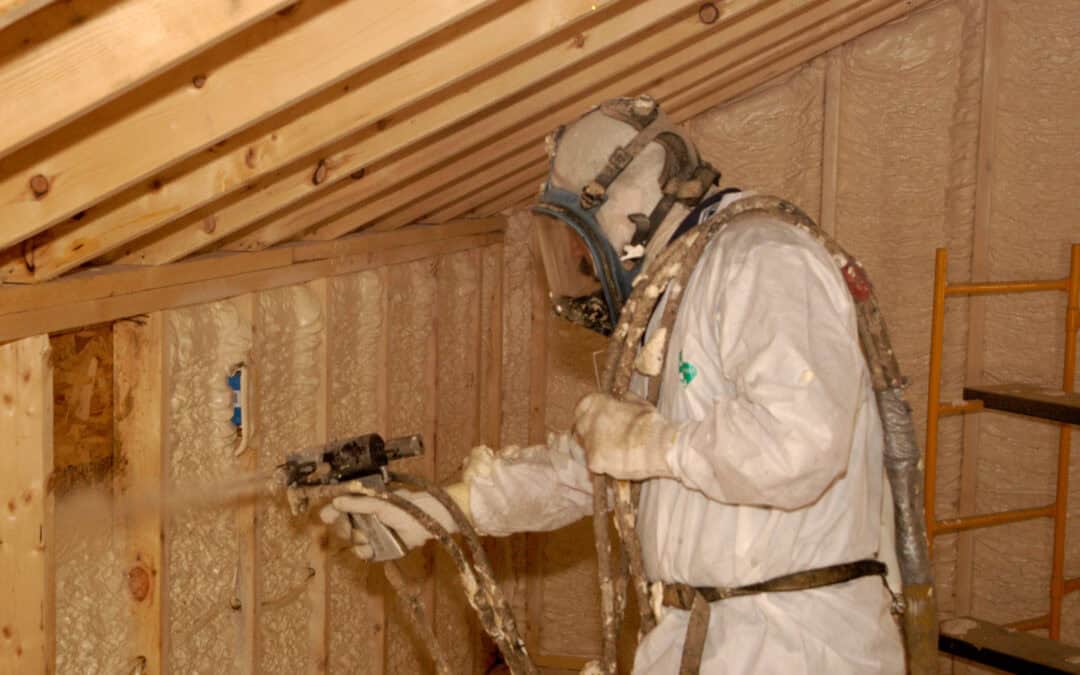
Energy efficiency matters for every homeowner, but getting better results takes more than buying materials and hoping they work. Spray foam insulation can help reduce energy waste, seal air leaks, and improve indoor comfort when it is selected and applied correctly. Because the material expands quickly and bonds to the surfaces around it, professional installation is the safest and most reliable way to get the performance homeowners expect.
Unlike traditional insulation, spray foam insulation requires careful preparation, proper equipment, and a clear understanding of how air moves through a home. Gaps around attics, crawl spaces, rim joists, basements, and wall cavities can be difficult to identify without experience. A trained installer can inspect these areas, determine which type of foam is appropriate, and apply the product in a way that supports long-term energy savings.
The potential savings can be significant. According to SprayFoam, a recent analysis showed that homes using spray foam can reduce energy usage up to 5,638 kWh per year compared to the same home insulated and air sealed with other insulation. Those results depend on proper product choice and application. That is why homeowners should work with professionals instead of attempting a major insulation project on their own.
Spray Foam Insulation Starts With The Right Assessment
Why A Professional Inspection Matters
Spray foam insulation is most effective when it is installed where a home is losing the most energy. A professional inspection helps identify drafts, weak insulation zones, moisture concerns, and areas where conditioned air may be escaping. Without this step, a homeowner may spend money insulating the wrong areas while the biggest energy problems remain unresolved.
Professionals often know where hidden leaks are likely to occur, including attic penetrations, crawl space openings, rim joists, recessed lighting areas, and gaps around mechanical systems. These spots may not be obvious during a casual walkthrough. By calling a professional, homeowners receive a clearer plan instead of guessing where foam should be applied.
This matters because spray foam is not simply a filler material. It needs to be installed at the right thickness, in the right location, and with attention to ventilation and building conditions. A professional can connect the inspection findings to a practical installation plan, which helps homeowners avoid uneven coverage, wasted product, and disappointing energy results.
Why DIY Can Miss The Bigger Problem
DIY insulation projects often focus on visible gaps, but visible gaps are only part of the issue. A home may have hidden air pathways that run through wall cavities, attic floors, basement ceilings, and duct chases. If those pathways are not addressed correctly, heated and cooled air can continue escaping even after the homeowner has applied foam in easy-to-reach spaces.
A professional brings experience that helps connect symptoms to causes. For example, a drafty room may not be caused by the wall itself. It may stem from attic air movement, duct leakage, or a crawl space opening. Professional evaluation helps uncover those details before installation begins.
When homeowners call a professional, they are not only paying for labor. They are getting a more complete understanding of how their home performs. That guidance can make spray foam a better investment and help prevent the trial-and-error approach that often happens with DIY work.
Choosing The Right Foam Requires Experience
Open-Cell And Closed-Cell Foam Have Different Purposes
There are two main types of spray foam: open-cell and closed-cell. Open-cell foam is softer and less dense, making it useful for certain interior applications and sound reduction. Closed-cell foam is denser, has a higher R-value, and can add moisture resistance in areas where that feature is appropriate. Choosing between them is not always simple.
Spray foam insulation should be matched to the space, climate, budget, and building design. Attics, crawl spaces, basements, exterior walls, and rooflines may each require a different approach. A professional can explain which type of foam fits the project and why one option may perform better than another.
DIY kits rarely provide that level of guidance. A homeowner may choose a product based on price or convenience without knowing whether it is right for the space. Working with an experienced installer helps homeowners avoid using the wrong foam in the wrong area, which can lead to poor performance or future repair needs.
R-Value Is Only Part Of The Decision
R-value measures resistance to heat flow, but it is not the only factor that matters. Air sealing, moisture conditions, ventilation, and the condition of the surrounding structure all affect performance. A foam with a strong R-value may still underperform if it is applied unevenly or installed in the wrong location.
Foam performs best when the installer understands both thermal resistance and air movement. Professionals know how to apply the material so it forms a consistent barrier. They can also identify situations where additional ventilation, moisture control, or other building improvements may be needed before foam is installed.
This is one of the biggest reasons to avoid a large DIY project. Reading a product label does not replace hands-on experience. A professional can balance R-value goals with real-world building conditions, helping the finished project deliver better comfort and energy performance.
Proper Preparation Protects The Final Result
The Space Must Be Ready Before Installation
Before spray foam is applied, the installation area needs to be clean, dry, accessible, and properly prepared. Dust, moisture, debris, and surface issues can affect how well the foam bonds. A professional knows how to check these conditions before spraying begins.
Spray foam insulation also requires planning around electrical, plumbing, HVAC, and ventilation components. Covering the wrong area or trapping moisture can create future problems. A trained installer can evaluate these systems and apply foam with the surrounding structure in mind.
Preparation is one of the areas where DIY work can fall short. A homeowner may focus on spraying the foam without realizing that the surface was not ready or that the area needed additional attention first. Professional preparation helps the installation perform as intended from the beginning.
Safety Should Not Be An Afterthought
Spray foam products require careful handling. Proper ventilation, protective equipment, and application procedures are important during installation. Professionals are trained to manage these requirements and follow manufacturer instructions throughout the project.
A DIY approach can expose homeowners to avoidable risks, especially in tight areas such as crawl spaces, attics, and enclosed rooms. Incorrect mixing, poor ventilation, or overapplication can create problems that are difficult to fix after the foam cures.
Calling a professional helps homeowners avoid those issues. An experienced installer brings the right equipment, understands safety practices, and knows how to manage the application process from start to finish. That makes professional service the smarter choice for major insulation work.
Spray foam insulation can make a meaningful difference in a home’s comfort, energy efficiency, and long-term performance, but the quality of the results depends on how the project is handled. From choosing the right type of foam to preparing the space, managing safety, addressing moisture, and creating consistent coverage, professional installation gives homeowners a clearer path to better results. DIY may seem appealing at first, but spray foam requires experience, proper equipment, and a full understanding of how insulation affects the entire home. By calling a professional, homeowners can reduce the risk of costly mistakes, improve energy performance, and feel more confident that their investment is being handled the right way from start to finish. Reach out to Radiant Eagle LLC today to learn more.